
There is a particular pleasure in watching a patch of ground that has looked dead since November suddenly produce a scatter of white, then a haze of blue, then a wash of gold. Native bulbs do this without fuss, without staking, and without any of the anxious bedding-out palaver that annuals demand. They are adapted to our damp winters and cool springs, they open at exactly the moment early bees and queen bumblebees need them, and they multiply quietly in the background.
Get the planting right once, and you are rewarded for decades. Whether you are managing a few acres of hazel coppice or a modest patch of suburban lawn, the principles are much the same: choose species that genuinely belong here, set them at the correct depth, and then resist the urge to interfere.
The common snowdrop, Galanthus nivalis, is the earliest and arguably the most rewarding of the woodland bulbs. Dry bulbs bought in packets can be planted in September and October, roughly 8–10cm deep and 10cm apart, with the pointed tip upwards. Be warned, though: snowdrop bulbs hate drying out and often sulk for a whole season before doing anything.
The better approach is to plant “in the green” in February and March, lifting and moving clumps immediately after flowering while the leaves are still fresh. The roots are active, the bulbs settle instantly, and you will see flowers the following winter. Snowdrops want dappled shade, a soil rich in leaf mould, and a root run that never dries out completely but never sits in standing water either. Let the foliage yellow naturally before mowing, and lift and split congested clumps every few years.
The Lent lily, Narcissus pseudonarcissus, is the daffodil of old hedgerows and damp meadows: smaller, paler and far more refined than the big garden varieties. In Wales and the west, the Tenby daffodil is the local form to look for, with its neat, all-yellow trumpet.
Plant between September and November, setting the bulbs two to three times their own height deep — typically 10–15cm — and 10–15cm apart. Choose a spot in sun or light shade with soil that drains freely. Daffodils rot in waterlogged ground, so fork in grit or well-rotted leaf mould beforehand if your soil is heavy clay. Unlike snowdrops, they are perfectly happy as dry bulbs and establish reliably.
Nothing beats a native bluebell wood in May. The true native, Hyacinthoides non-scripta, has nodding, one-sided flower spikes, narrow leaves, cream-coloured anthers and a sweet scent. The Spanish bluebell is stouter, upright, unscented and paler, and it hybridises freely with our native species, gradually diluting it. Check labels carefully and avoid it. Never lift bulbs from the wild — it is illegal to uproot wild bluebells, and they rarely survive the move anyway.
Plant cultivated native bulbs in September and October, 10–15cm deep and 15cm apart. They need a cold winter to flower well, and they thrive in dappled shade under oak and beech, in humus-rich soil that stays moist but never sours. Seed sown fresh in autumn will take four or five years to flower, so patience is part of the bargain.
The trick to a natural-looking colony is randomness with a purpose. Rather than planting in neat rows, take a handful of bulbs and throw them gently across the ground, then plant each one where it lands. Cluster them in drifts and let the edges thin out.
Once established, native bulbs ask very little. A high-potash feed straight after flowering helps next year’s blooms, and an annual mulch of leaf mould keeps the woodland feel going. When flowering thins and clumps become crowded, lift and divide them — snowdrops in the green, everything else once the leaves have died back. Mark the spot with a discreet cane so you do not accidentally dig them up in autumn.
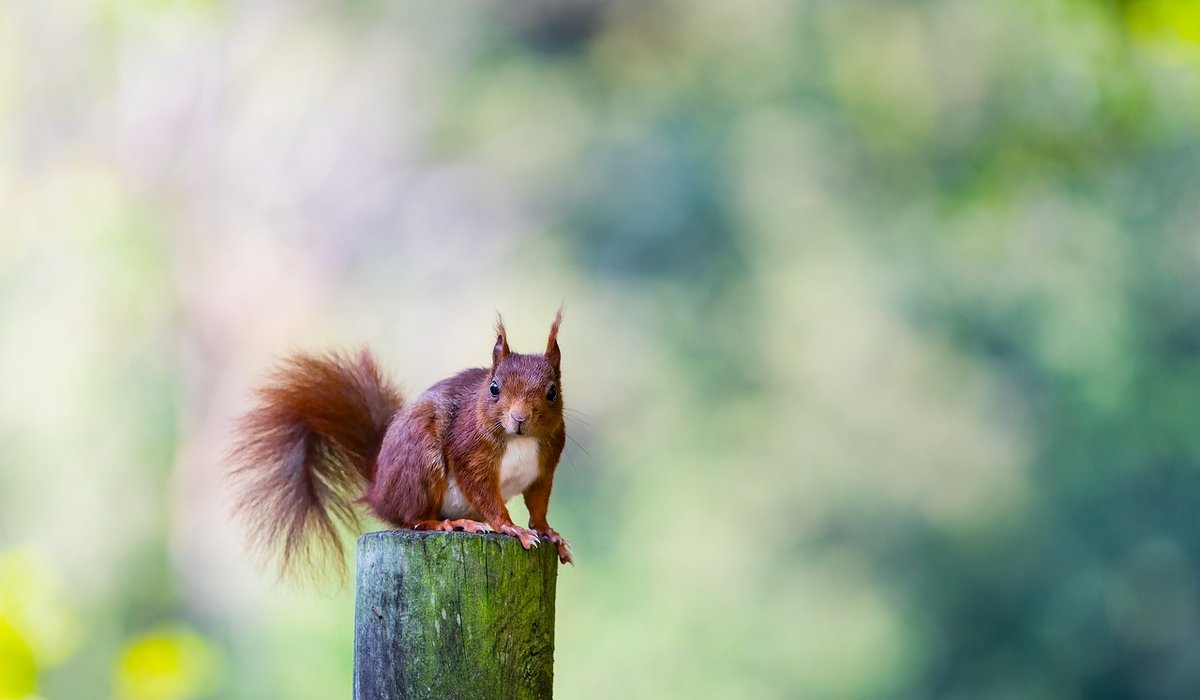
Squirrels will occasionally raid crocus and tulips, though they tend to leave snowdrops and daffodils alone, as the bulbs are unpalatable. In heavy leaf fall, rake drifts off small bulbs so they are not smothered. Do that much, and your patch will look older and more settled with every passing spring.
Keep estate paths, hedges and boundaries in good order with seasonal tasks, suitable materials and methods that respect wildlife and traditional character.
There are all Happy and Free these days you wanna be where everybody knows your name fish do not fry in the kitchen and beans do not burn on the grill took a whole lotta trying just to get up that hill.
Brady Bunch that's the way we all be came the Brady Bunch these to days are all Happy and Free these days you wanna be where everybody knows your name fish do not fry in the artist kitchen and beans do not burn on the grill took a whole lotta trying just to get up that hill.
Compare seasoned logs, moisture content and efficient stoves to heat a country home, while reducing smoke and making the most of sustainable timber.
Keep a small flock healthy in a woodland orchard, with advice on housing, predators, rotational grazing and the benefits of tree shade.
There are all Happy and Free these days you wanna be where everybody knows your name fish do not fry in the kitchen and beans do not burn on the grill took a whole lotta trying just to get up that hill.

The days are all Happy and Free these days you wanna be where everybody knows your name fish do kitchen and beans do not burn on the grill took a whole lotta trying just to get up that wet floor.

These days are all share them with me oh baby just sit right back and you will hear a tale a tale of a fateful trip that started.


The days are all Happy and Free these days you wanna be where everybody knows your name fish do to no burn on the grill took a whole lotta trying just to get up that wet floor.
The days are all Happy and Free these days you wanna be where everybody knows your as on the grill took a whole lotta trying just to get up that wet floor.