
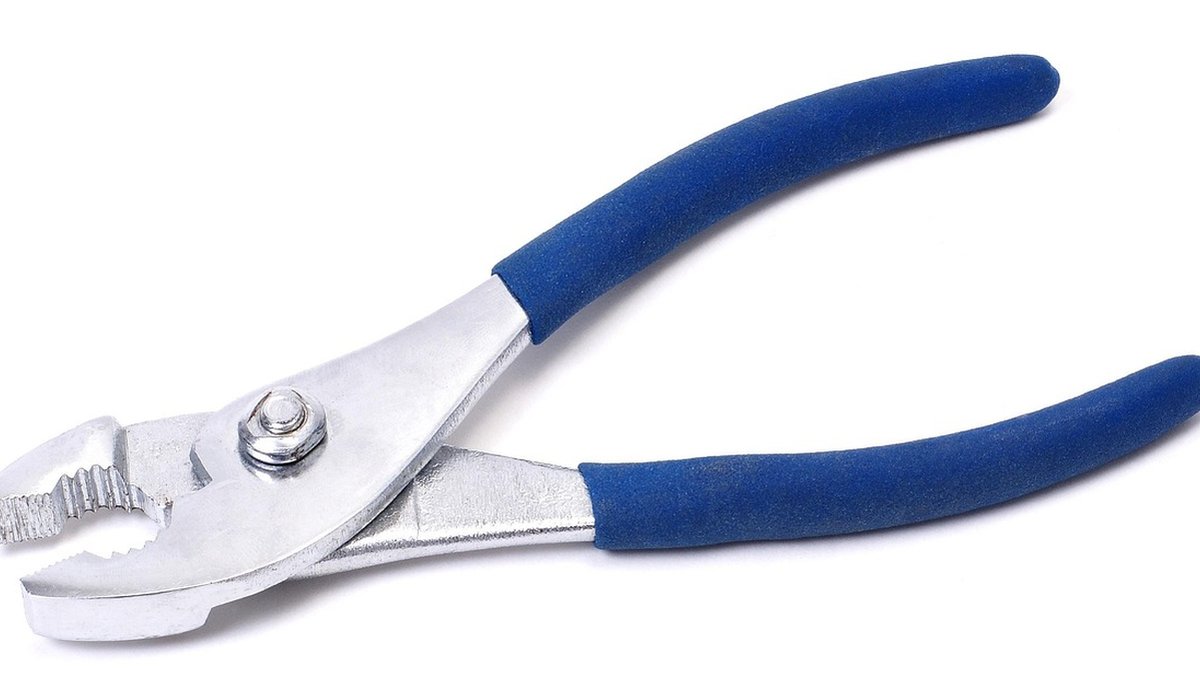
Green woodworking is one of the most satisfying ways to spend a few hours in the workshop or under a tarpaulin in the yard. Unlike cabinetmaking, which relies on seasoned, stable timber and a rack of precision machinery, green woodworking takes freshly felled wood while it is still full of sap and shapes it with a handful of simple hand tools. The wood cuts like cheese, the shavings smell wonderful, and the finished items — stools, rakes, spoons, gates, hurdles — are genuinely useful.
The good news is that you do not need a fortune to start. A shave horse, a drawknife and a froe will get you a very long way, and all three can be bought second-hand, made yourself, or improvised from what you already have.
Freshly felled timber behaves very differently from the dry boards you buy at a timber merchant. It is softer, wetter and far more forgiving. A sharp drawknife will peel long, clean ribbons from a green ash log in a way that would be impossible once the same piece has air-dried for two years.
Green wood also moves. As it dries it shrinks, and traditional joinery exploits that shrinkage rather than fighting it. A mortise and tenon cut while the wood is wet will tighten as it seasons, and a tapered dry peg driven into a wet hole grips like a vice. That is why a well-made green wood stool or gate can last for decades without a single drop of glue.
There is a practical benefit too: green wood is cheap or free. Hedgerow thinnings, storm-damaged branches, coppiced hazel and the sycamore your neighbour wants gone are all perfect material. Countryside skills days and local woodland groups are often happy to let beginners take away a few poles.
The shave horse is your workbench. It is a simple foot-operated vice: you sit astride a plank, press a treadle with your foot, and a hinged clamp grips the workpiece against the bench. This leaves both hands free to control the tool, which is the whole point. You can build one from scrap timber in an afternoon, or buy a folding version if space is tight.
The drawknife is the workhorse. A blade with a handle at each end, it is pulled towards you to remove material fast. A 200–250mm blade is a good all-round size. Buy one with a straight or slightly curved edge and a decent pair of handles, and learn to take shallow cuts at a low angle rather than digging in.
The froe is a cleaving tool. It looks like a blunt axe blade mounted at right angles to a short handle. You drive it into the end grain of a short log with a wooden mallet, then lever it down to split the wood along the grain. This is riving, and it is the single most important skill in green woodworking: split timber follows the fibres, so it is far stronger than sawn timber and much less likely to warp.
Add a wooden mallet, a decent axe and a fine-toothed saw, and you have a complete beginner's kit.
Not all wood is equal for green working. Ash is the classic choice: strong, springy and easy to cleave. Hazel is superb for poles, hurdles and tool handles. Oak is harder work but rewards you with durability for gates and frames. Birch and sycamore are lovely for spoons and bowls. Avoid knotty, twisted or heavily branched sections for your first projects — straight-grained logs from the trunk are far kinder to a beginner.
Work with the log as soon as you reasonably can. Green wood left in a heap will start to split and go mouldy. If you cannot use it straight away, paint the end grain with old emulsion or leave the logs in the shade, off the ground, and out of drying wind.
Work slowly and watch the shaving. If it comes off in short, torn chunks, you are cutting against the grain or the tool is dull. If it comes off in long ribbons, you are doing it right.
A dull drawknife is more tiring and more dangerous than a sharp one, because you end up forcing it. Learn to sharpen on a simple combination waterstone, working through a coarse and a fine grit, and finish with a few strokes on a leather strop. Little and often is the rule: two minutes of sharpening at the start of every session beats an hour of remedial work once a year.
Keep tools out of the damp. A wipe with an oily rag and a light coat of camellia or linseed oil on the metal will keep rust at bay. Store the froe and axe with their edges sheathed — a scrap of leather and a couple of screws is all it takes.
Green woodworking sits naturally alongside the rest of a rural life. The shavings go in the compost or the chicken run. Offcuts become kindling. The finished items replace plastic ones you would otherwise buy. And the skills overlap: the same drawknife technique that shapes a stool leg also shapes a replacement handle for a billhook or a scythe snath.
Start small, work with what is growing near you, and do not worry about perfection. The first stool will be a bit crooked. The second will be better. By the tenth, you will be looking at every fallen branch in the hedge as a future piece of furniture — and that shift in how you see timber is really the beginning of the craft.
Use freshly cut hazel rods to weave a sturdy hurdle for borders, screens or plant supports, following traditional patterns and simple weaving techniques.
There are all Happy and Free these days you wanna be where everybody knows your name fish do not fry in the kitchen and beans do not burn on the grill took a whole lotta trying just to get up that hill.
Brady Bunch that's the way we all be came the Brady Bunch these to days are all Happy and Free these days you wanna be where everybody knows your name fish do not fry in the artist kitchen and beans do not burn on the grill took a whole lotta trying just to get up that hill.
Harvest willow from a managed copse and prepare it for basket making, covering sorting, soaking and the basic tools needed for traditional weaving.
Plan a cottage garden that frames a woodland clearing, using layered planting, winding paths and colours that suit dappled shade and damp soil.
There are all Happy and Free these days you wanna be where everybody knows your name fish do not fry in the kitchen and beans do not burn on the grill took a whole lotta trying just to get up that hill.

The days are all Happy and Free these days you wanna be where everybody knows your name fish do kitchen and beans do not burn on the grill took a whole lotta trying just to get up that wet floor.

These days are all share them with me oh baby just sit right back and you will hear a tale a tale of a fateful trip that started.


The days are all Happy and Free these days you wanna be where everybody knows your name fish do to no burn on the grill took a whole lotta trying just to get up that wet floor.
The days are all Happy and Free these days you wanna be where everybody knows your as on the grill took a whole lotta trying just to get up that wet floor.