
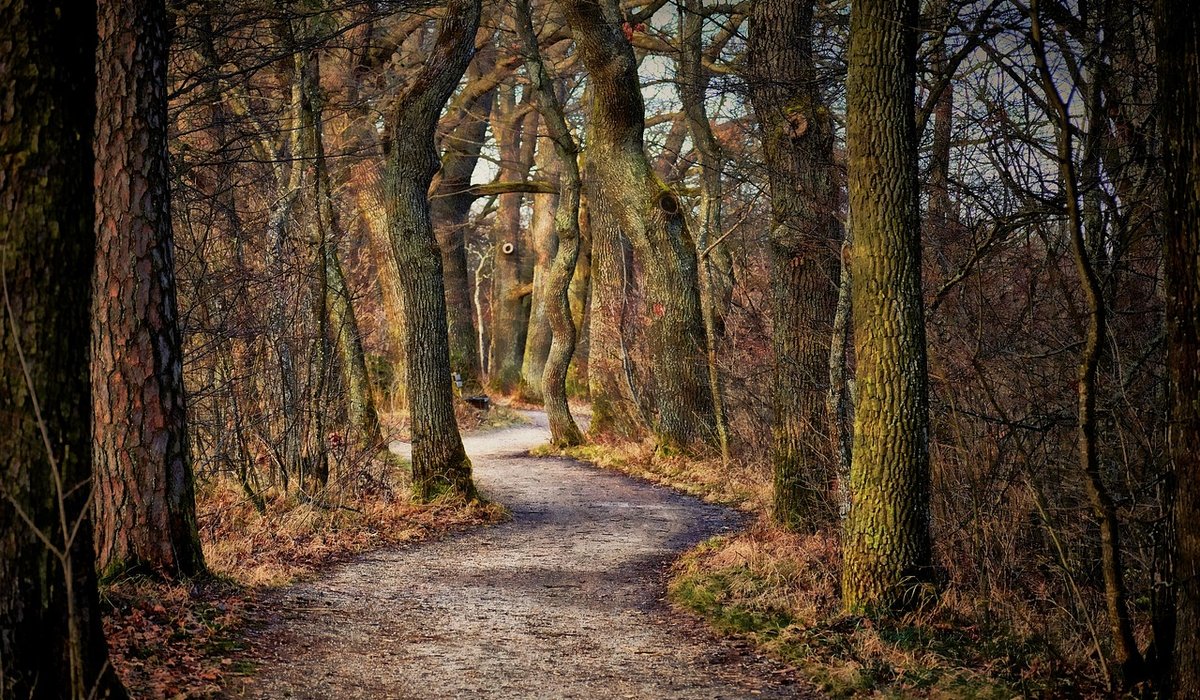
Few sights lift the heart quite like a hedgehog snuffling along a hedgerow at dusk. Yet the creature that gave the hedge its name is now in serious trouble, and rural populations have fared worse than many town ones. Tidy field margins, fragmented hedgerows, close-mown verges and sealed boundaries have all taken their toll. The encouraging news is that hedgehogs respond quickly to small, practical changes. A country garden sitting beside a woodland edge is one of the best places in Britain to give them a helping hand, especially through hibernation and the breeding season.
What follows is not a grand scheme. It is a handful of sensible adjustments you can make this season, most of them free.
A hedgehog will travel a mile or more in a single night. A garden bounded by solid fencing, or a wood with no gaps in its perimeter, is a dead end. The single most valuable thing you can do is to let them through.
Mark the gaps on a sketch of your boundaries so that future repairs do not close them again. A gap that is cleared one autumn and blocked the next is no gap at all.
Hedgehogs hibernate from roughly November to March, though mild winters bring them out intermittently. They nest in dry, sheltered places: under brambles, at the foot of a thick hedge, inside a stack of logs or a heap of leaves.
The same structures serve as nursery sites in summer, when females raise hoglets between May and September.
Good hedgehog habitat is layered: tall, dense and generous at the base. A flailed hedge cut to a neat box offers little. Where you can, let hedges grow to two metres or more, cut on a three-year rotation, and leave the base wide rather than trimming it tight.
Native species do the heavy lifting. Hawthorn, blackthorn, hazel, field maple, dog rose, guelder rose, spindle and wild privet all provide cover, and their autumn fruit and insects bring food. Alongside a hedge or at the wood's edge, leave a rough grass and wildflower margin a metre or two wide, cut once in late summer and left standing over winter. Seed heads and tussocky grass shelter the invertebrates that hedgehogs eat, and provide nesting material close at hand.
Hedgehogs are thirsty, and a shallow dish of fresh water refreshed daily is a small kindness with a big return. So is a supplementary feed of meat-based cat or dog food — never bread and milk, which causes digestive trouble. Mealworms are fine as an occasional treat but should not form the bulk of the diet, as they lack the calcium growing hoglets need.
Country gardens carry particular hazards worth addressing:
Autumn is the season to be watchful. A small hedgehog seen out in daylight in October or November is likely to be underweight and unable to hibernate safely — anything under about 450g at that time of year needs help. Contact a local wildlife rescue rather than attempting to overwinter it yourself.
Through winter, check bonfires and log stores before disturbing them, and leave leaf litter where it lies. In spring, walk a hedge or woodland edge before cutting to look for nests. In summer, keep water available during dry spells and resist the urge to tidy every corner.
Do these few things consistently, and a garden at the woodland edge becomes more than a pretty boundary. It becomes a link in a chain of safe ground, stretching from your gate to the copse beyond.
Discover where and when to watch pipistrelles, noctules and other British bats, using quiet observation and minimal disturbance in ancient woodland.
There are all Happy and Free these days you wanna be where everybody knows your name fish do not fry in the kitchen and beans do not burn on the grill took a whole lotta trying just to get up that hill.
Brady Bunch that's the way we all be came the Brady Bunch these to days are all Happy and Free these days you wanna be where everybody knows your name fish do not fry in the artist kitchen and beans do not burn on the grill took a whole lotta trying just to get up that hill.
Create a wildlife pond with gentle slopes, native plants and shady edges to attract frogs, newts and insects without encouraging invasive species.
Start green woodworking with a simple shave horse, drawknife and froe, learning to shape fresh timber into practical items for the home and garden.
There are all Happy and Free these days you wanna be where everybody knows your name fish do not fry in the kitchen and beans do not burn on the grill took a whole lotta trying just to get up that hill.

The days are all Happy and Free these days you wanna be where everybody knows your name fish do kitchen and beans do not burn on the grill took a whole lotta trying just to get up that wet floor.

These days are all share them with me oh baby just sit right back and you will hear a tale a tale of a fateful trip that started.


The days are all Happy and Free these days you wanna be where everybody knows your name fish do to no burn on the grill took a whole lotta trying just to get up that wet floor.
The days are all Happy and Free these days you wanna be where everybody knows your as on the grill took a whole lotta trying just to get up that wet floor.