
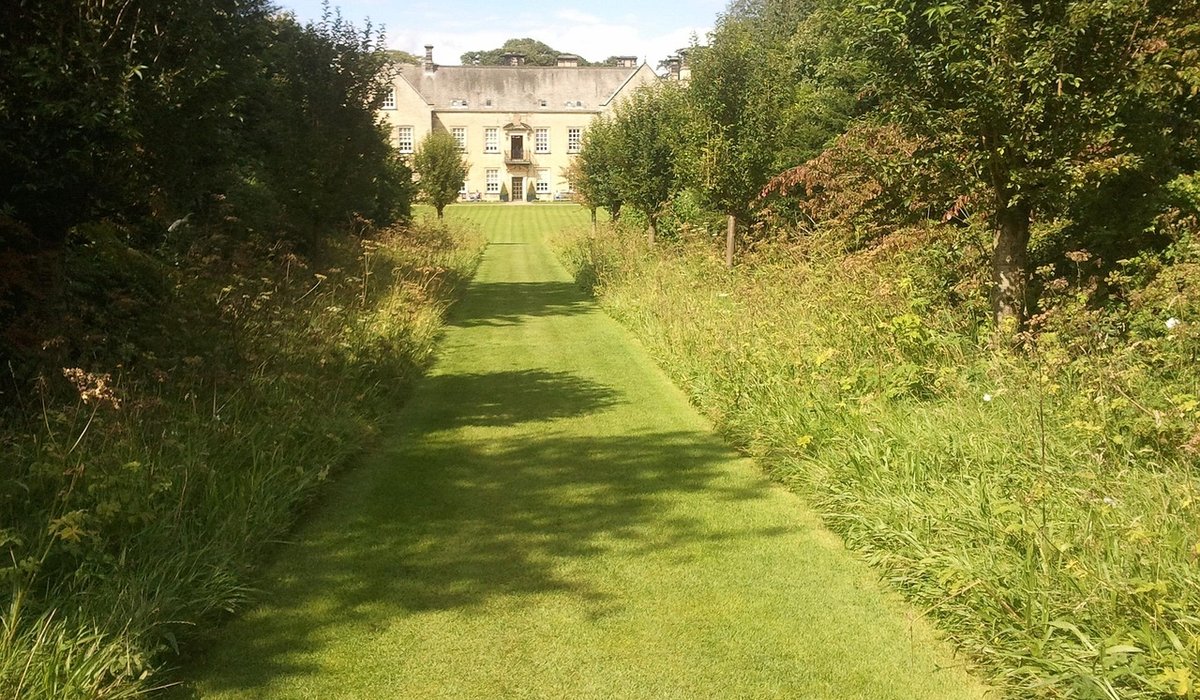
By the second week of September, the hedgerows have that heavy, dusty look that tells you the season has turned. Leaves are dulling, the elderberries are dropping, and the first blackberries are fattening in the sun. This is the busiest and most rewarding month of the forager's year, and for anyone interested in rural crafts and country living, it is a reminder that the hedge is not just a boundary but a working larder, a windbreak, a wildlife corridor and a piece of living history all at once.
Timing matters more than most people realise. Blackberries ripen from the top of each cluster downwards, so a trail with black fruit at the tip and red fruit below is a week from its best. Sloes set hard and green in late summer and colour slowly through September, reaching that deep blue-black bloom by early October. Walk the same lane twice a week and you will learn the rhythm of it, which is half the pleasure.
The old advice about avoiding fruit below waist height still holds, though it is often repeated without explanation. The real reason is that hedgerows beside footpaths and roadsides carry the dust, spray drift and dog-walking residue of everyday use, and anything within a leg's reach has probably been claimed already. Look for bramble arches leaning away from the path, and for the wild, unruly stretches along field edges and old railway cuttings.
Pick into shallow containers rather than deep bags, or the fruit at the bottom will crush under the weight of everything above it. A wide basket lined with a cloth, or an old ice cream tub, will do the job far better than a carrier bag.
A good hour in a generous hedge should yield two to three kilos without much scrabbling. Wear long sleeves and gloves, and accept that you will still come home with scratched forearms.
Sloes are the fruit of the blackthorn, and they are not meant to be eaten raw. Bite one and your mouth will dry instantly, an astringency from the tannins that only time, sugar or alcohol can tame. For generations, country cooks insisted that sloes should not be picked until after the first hard frost had softened them, but this is a myth of convenience. A frost may soften the skin slightly, yet in most British autumns the fruit is already fully ripe in early October and no frost arrives until December.
The practical answer is to pick ripe sloes when they are ready, then mimic the frost at home by freezing them for a few days and letting them thaw. This splits the skins, which is exactly what you want before the fruit goes into a preserving jar.
Look for sloes that are blue-black with a soft, powdery bloom, firm but not rock hard, and slightly yielding at the stalk end. Avoid shrivelled fruit, and check the thorny bushes carefully before reaching in, because blackthorn will punish carelessness.
Blackberry jam is the simplest introduction to preserving. Use equal weights of prepared fruit and sugar, and add the juice of one lemon for every kilo of fruit. Lemon is not optional: blackberries are low in pectin and the acid helps the set.
A handful of apple, grated and cooked in with the fruit, will help the set if you are picking late in the season. The jam keeps for a year in a cool, dark cupboard.
For a cordial, cover the same quantity of fruit with water, simmer for twenty minutes, strain overnight through a cloth without squeezing, then add 400g of sugar per litre of juice and heat gently until dissolved. Bottle it and dilute with still or sparkling water to taste.
Sloe gin needs no cooking, only patience. Fill a sterilised jar a third full with pricked or frozen-and-thawed sloes, add 200g of sugar per 70cl of gin, and top up with the spirit. Shake daily for the first week, then weekly for three months. Strain through muslin, bottle, and leave for another month to mellow. The result is deep, fruity and warming, and it improves for years if you can resist it.
The spent sloes need not go to waste. Simmer them with a little water and sugar to make a sharp, dark jelly, or stir them into a fruit crumble. By now they will have lost most of their astringency and taken on the gin's flavour.
Forage with restraint and the hedge will keep giving. Take no more than a third of what you find on any one bush, leaving the rest for blackbirds, fieldfares and the small mammals that depend on autumn fruit to see them through winter. Never pull branches down or break stems, and never dig plants up.
In England and Wales, picking fruit, flowers and foliage by hand from wild plants is permitted on land you have lawful access to, but this does not extend to digging up plants, and picking for commercial gain or from protected sites requires permission. Always seek the landowner's consent on private ground, and treat roadside verges and hedges along busy lanes with caution.
Finally, remember that a hedgerow is a managed thing. The craft of laying and trimming it in winter is what keeps it thick at the base, full of blossom in spring and heavy with fruit in autumn. Pick well, prune respectfully, and you become part of that cycle rather than a visitor to it.
Pick elderflowers at their peak, avoid polluted roadsides and make a refreshing cordial, capturing the scent of early summer hedgerows.
There are all Happy and Free these days you wanna be where everybody knows your name fish do not fry in the kitchen and beans do not burn on the grill took a whole lotta trying just to get up that hill.
Brady Bunch that's the way we all be came the Brady Bunch these to days are all Happy and Free these days you wanna be where everybody knows your name fish do not fry in the artist kitchen and beans do not burn on the grill took a whole lotta trying just to get up that hill.
Plant and lay hedgerows to create nesting cover and food for farmland birds, using native species and wildlife-friendly cutting schedules.
Fallen branches and standing dead trees support insects, fungi and birds, so learn how to retain deadwood safely in managed woodland.
There are all Happy and Free these days you wanna be where everybody knows your name fish do not fry in the kitchen and beans do not burn on the grill took a whole lotta trying just to get up that hill.

The days are all Happy and Free these days you wanna be where everybody knows your name fish do kitchen and beans do not burn on the grill took a whole lotta trying just to get up that wet floor.

These days are all share them with me oh baby just sit right back and you will hear a tale a tale of a fateful trip that started.


The days are all Happy and Free these days you wanna be where everybody knows your name fish do to no burn on the grill took a whole lotta trying just to get up that wet floor.
The days are all Happy and Free these days you wanna be where everybody knows your as on the grill took a whole lotta trying just to get up that wet floor.