
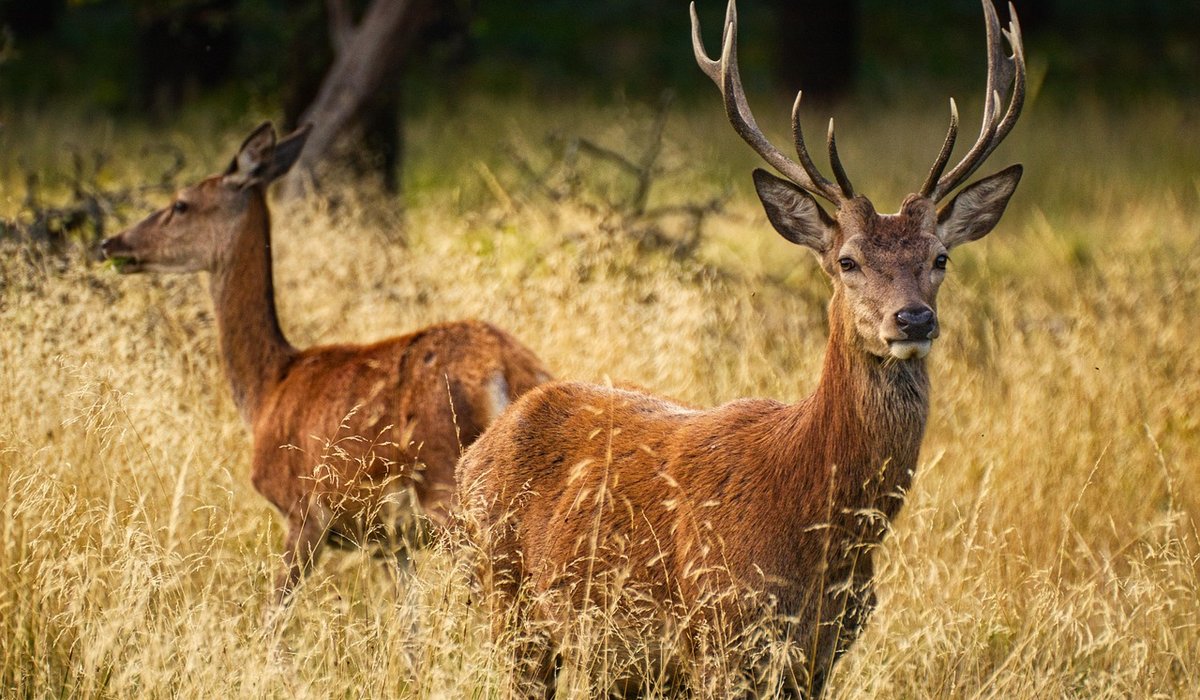
There is a particular kind of quiet you only find in a British wood in early spring, when the bluebells are just breaking and the roe deer are moving quietly through the hazel coppice. It is a privilege to walk in these places, and like all privileges it comes with a bit of responsibility. Leave no trace is not about making your visit joyless or tiptoeing about like a trespasser. It is simply about leaving a wood in the same condition, or better, than you found it, so the next person, and the wildlife that calls it home, gets the same experience.
Most damage in woodlands happens through ignorance rather than malice. Before you set out, take five minutes to check whose land you are crossing and what is happening there. Many woods in the UK are working woodlands, which means there may be coppicing, thinning or felling underway, and a public footpath can be temporarily diverted for safety. Forestry operations often use warning signs for good reason, so respect them rather than squeezing past.
Check the weather too, and think about the ground. After a wet winter, a fragile woodland soil can be churned to mud by a dozen pairs of boots, and that compaction damages root systems and prevents bluebells and wood anemones from coming through. If a path is clearly waterlogged, consider a lower-impact alternative route rather than widening the damage by walking around the edge. Staying on waymarked paths is the single easiest thing you can do for woodland ground flora.
Litter is the most obvious trace, but it is worth being thorough about it. That means apple cores, banana skins, orange peel and tea bags as well as crisp packets. Fruit peel can take months to break down in a cool, shaded wood and it attracts scavengers such as rats and foxes, which then predate ground-nesting birds and disturb the balance of the place.
If you are foraging, and it is legal on the land you are on, take only what you can genuinely use and never strip a patch bare. A few leaves from a nettle bed is fine; denuding an entire stand of wild garlic is not.
Dogs are welcome in most woodlands, but a dog off the lead is an animal with instincts. Between March and August, ground-nesting birds such as nightjars, woodcock and willow warblers are sitting on eggs or chicks, and a dog running through bracken can destroy a clutch in seconds without meaning any harm at all. Deer also suffer badly from being chased, especially in late winter when they are running on empty reserves.
Use a lead where signs ask for it, and keep your dog within sight and recall at all times elsewhere. If your dog has poor recall, a long line is a fair compromise. And always, always bag the mess and take it away. A bag left hanging on a branch is worse than nothing at all.
Young trees are remarkably easy to kill without noticing. A sapling bent back and forth by a swinging child, a tree used as an anchor for a hammock strap, or a branch snapped off for a walking stick can set a planting scheme back years. The bark on young trees is thin, and damage to it opens the door to infection.
Stone walls, fence lines and drainage ditches are also part of the working landscape. Climbing over them loosens stones and damages habitats, so use stiles and gates wherever they are provided, and always leave gates as you find them.
Wild camping and campfires are restricted or banned in most English and Welsh woodlands, and with good reason. A fire scar on a woodland floor can last for years, and roots smoulder underground long after the flames have gone. If fires are permitted where you are, use an established fire pit, keep it small, and burn only deadwood gathered from the ground. Never leave a fire unattended, and make sure it is cold to the touch before you walk away.
Noise matters too. Loud music and shouting carry further than you think and disturb wildlife and other visitors alike. Speak quietly, keep phones on silent, and let the wood do the talking for a while. That is, after all, the reason most of us came.
A practical introduction to thinning, planting and creating paths, with advice on protecting soil and encouraging natural regeneration in small broadleaf woods.
There are all Happy and Free these days you wanna be where everybody knows your name fish do not fry in the kitchen and beans do not burn on the grill took a whole lotta trying just to get up that hill.
Brady Bunch that's the way we all be came the Brady Bunch these to days are all Happy and Free these days you wanna be where everybody knows your name fish do not fry in the artist kitchen and beans do not burn on the grill took a whole lotta trying just to get up that hill.
Learn which hand tools and safety equipment make coppicing efficient, comfortable and low impact, whether you manage a few acres or a larger holding.
Identify ash dieback, honey fungus and other common problems early, with notes on symptoms, tree species and when to seek professional advice.
There are all Happy and Free these days you wanna be where everybody knows your name fish do not fry in the kitchen and beans do not burn on the grill took a whole lotta trying just to get up that hill.

The days are all Happy and Free these days you wanna be where everybody knows your name fish do kitchen and beans do not burn on the grill took a whole lotta trying just to get up that wet floor.

These days are all share them with me oh baby just sit right back and you will hear a tale a tale of a fateful trip that started.


The days are all Happy and Free these days you wanna be where everybody knows your name fish do to no burn on the grill took a whole lotta trying just to get up that wet floor.
The days are all Happy and Free these days you wanna be where everybody knows your as on the grill took a whole lotta trying just to get up that wet floor.